Best Place for a Tattoo That Fades Least UK
Discover the best tattoo placement areas in the UK for minimal fading. Expert advice on long-lasting ink locations and preservation tips.
Jack

Best Place for a Tattoo That Fades Least UK: Expert Guide to Long-Lasting Ink
When you're investing in a tattoo, you want it to look as vibrant and crisp in decades to come as it does the day you walk out of the studio. Understanding tattoo placement fade UK considerations is crucial for making an informed decision about where to position your new ink. The location you choose for your tattoo can dramatically impact how well it ages, with some areas of the body naturally preserving tattoo quality far better than others.
The reality is that all tattoos will fade to some degree over time, but choosing the right placement can significantly slow this process. In the UK's climate, with its mix of sun exposure patterns and lifestyle factors, certain body areas consistently outperform others when it comes to maintaining tattoo integrity over the years.

Understanding Why Tattoos Fade
Before diving into the best placements, it's essential to understand the science behind tattoo fading. Tattoo ink sits in the dermis layer of your skin, where it's gradually broken down by your immune system and affected by external factors. The speed of this process depends on several variables:
Biological factors play the primary role in tattoo longevity. Your body's immune response continuously works to remove foreign particles, including tattoo pigments. White blood cells gradually carry away ink particles, leading to natural fading over time. This process varies between individuals based on age, immune system strength, and genetic factors.
Environmental exposure significantly impacts fade rates. UV radiation from sunlight is the biggest culprit, breaking down ink molecules and causing colours to shift or disappear. Areas frequently exposed to sunlight will fade much faster than protected regions.
Physical stress on the skin also accelerates fading. Areas that experience frequent friction, stretching, or movement will show more wear over time. This includes joints, hands, feet, and areas where clothing regularly rubs against the skin.
Skin thickness and quality affect how well tattoos age. Thicker skin with good collagen support maintains tattoo clarity better than thin or frequently stretched skin areas.
Prime Locations for Long-Lasting Tattoos
Upper Back and Shoulder Blades
The upper back, particularly around the shoulder blades, represents one of the absolute best locations for tattoo longevity in the UK. This area benefits from several protective factors that make it ideal for detailed, long-lasting work.
The skin thickness here is substantial and consistent, providing excellent support for tattoo ink. The area experiences minimal stretching during normal daily activities, unlike joints or areas that expand with weight fluctuations. Most importantly for UK residents, the upper back is naturally protected from sun exposure for most of the year, as it's typically covered by clothing.
This location works particularly well for larger pieces, detailed artwork, and designs where crisp lines and colour saturation are priorities. The flat, stable surface allows artists to create intricate work that will maintain its quality for decades.
Inner Upper Arms and Biceps
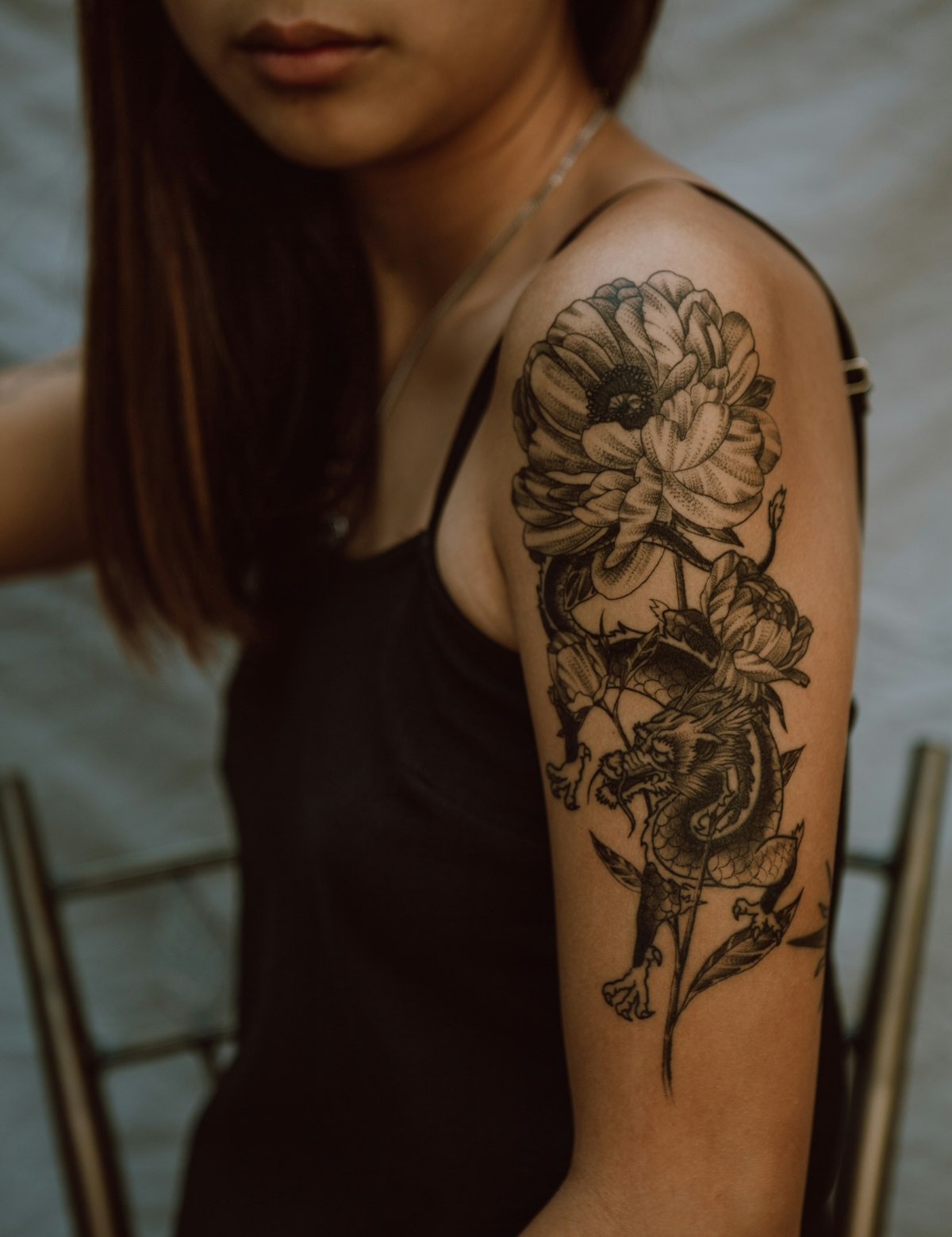
The inner portion of the upper arm, from the armpit to roughly mid-bicep, offers excellent tattoo preservation qualities. This area combines good skin quality with natural protection from the elements.
Sun exposure is naturally limited here, especially during typical UK weather patterns when long sleeves are common. The skin maintains good thickness and elasticity without the extreme stretching seen in areas like the stomach or the friction experienced by hands and feet.
Professional tattoo artists often recommend this area for first-time clients not just because it's relatively comfortable to tattoo, but because it demonstrates how well-placed tattoos age. The bicep area can accommodate various design sizes while maintaining excellent long-term results.
Chest (Upper Portion)
The upper chest area, particularly the pectoral region, provides another excellent option for fade-resistant tattoos. The skin here is typically thick and well-supported by underlying muscle structure, creating an ideal canvas for detailed work.
This location offers natural protection from sun exposure, as it's usually covered by clothing during daily activities. The area experiences minimal friction compared to other torso locations and doesn't stretch significantly with normal weight fluctuations.
Many UK tattoo enthusiasts choose the upper chest for meaningful pieces because the combination of excellent aging potential and personal significance makes it an ideal location for important artwork.
Thighs (Outer and Front)
The thigh area, particularly the front and outer portions, represents perhaps the most underrated location for tattoo longevity. The quadriceps area offers substantial skin thickness, good blood flow for healing, and natural protection from environmental factors.
Unlike lower leg locations that experience more friction from socks and shoes, the thigh area typically has minimal contact with clothing movement. The skin quality remains consistent over time, and the area can accommodate both large-scale pieces and smaller designs with excellent results.
For UK residents, the thigh location is particularly practical as it's easily covered for professional environments while offering excellent preservation qualities for personal enjoyment.
Areas to Approach with Caution
While some body areas excel at preserving tattoos, others present challenges that potential clients should understand before committing to placement.
Hands and fingers are among the most problematic areas for tattoo longevity. The skin here is thin, experiences constant friction, and faces regular sun exposure. Professional tattoo artists often warn clients that hand tattoos may require touch-ups within 2-3 years and will likely need ongoing maintenance throughout their lifetime.
Feet and ankles face similar challenges to hands, with the added complication of footwear friction and moisture exposure. The healing process can be more complicated, and long-term preservation is generally poor compared to other body areas.
Lower back can be problematic due to clothing friction and potential skin stretching. While not as challenging as extremities, this area doesn't offer the same longevity benefits as the upper back or other protected regions.
Ribcage and side torso areas experience significant movement and stretching, particularly with breathing and body movement. While these areas can heal well initially, the constant motion can impact long-term tattoo integrity.
Factors Affecting Tattoo Longevity in the UK
The UK's unique climate and lifestyle factors create specific considerations for tattoo placement and preservation.
Weather patterns in the UK mean that many body areas remain covered for significant portions of the year. This natural protection from UV exposure benefits tattoo longevity, making covered areas even more attractive for placement.
Professional requirements in many UK workplaces favour easily concealable tattoo locations. Areas like the upper arms, back, and thighs offer excellent preservation while maintaining professional flexibility.
Seasonal sun exposure patterns mean that areas like forearms and lower legs may experience intense but brief UV exposure during summer months. This intermittent but strong exposure can be particularly damaging to tattoo pigments.
Indoor lifestyle factors common in UK culture, such as pub visits, office work, and indoor entertainment, generally favour tattoo preservation compared to outdoor-focused lifestyles in sunnier climates.
Professional Recommendations and Industry Standards
UK tattoo professionals consistently recommend considering long-term placement effects when planning tattoo work. The British Tattoo Artists Federation and similar professional organisations emphasise educating clients about placement choices and their long-term implications.
Artist expertise plays a crucial role in maximising tattoo longevity regardless of placement. Proper needle depth, appropriate ink saturation, and skilled technique all contribute to how well a tattoo ages over time.
Aftercare compliance significantly impacts long-term results. Even the best-placed tattoos can suffer if clients don't follow proper healing protocols or fail to protect their ink from UV damage over time.
Touch-up scheduling should be discussed during initial consultations, particularly for challenging placements. Professional studios often provide guidance on expected touch-up timelines for different body areas.
Pricing Considerations for Premium Placements
When choosing optimal placement for tattoo longevity, it's worth understanding the pricing implications of different body areas and quality considerations.
| Tattoo Size/Placement | Expected Price Range (2026) | Touch-up Frequency | Total 10-Year Cost |
|---|---|---|---|
| Upper back (large piece) | £800-£1,500 | Rarely needed | £800-£1,500 |
| Inner upper arm (medium) | £400-£800 | 5-7 years | £500-£1,000 |
| Chest (detailed work) | £600-£1,200 | 7-10 years | £600-£1,400 |
| Thigh (large design) | £500-£1,000 | Rarely needed | £500-£1,000 |
| Hand (small piece) | £150-£400 | 2-3 years | £450-£1,200 |
| Forearm (visible work) | £300-£700 | 3-5 years | £600-£1,400 |
Prices vary significantly based on artist experience, studio location, and design complexity. These estimates include potential touch-up costs over a 10-year period.
Checklist: Questions to Ask Before Booking Your Tattoo Artist
- Has the artist worked extensively with tattoos in my chosen placement area?
- Can they show me examples of healed work from 2-5 years ago in similar locations?
- What specific aftercare recommendations do they have for this body area?
- How do they assess skin quality and thickness for optimal results?
- What touch-up policies do they offer for different placement areas?
- Can they explain how my lifestyle factors might affect tattoo longevity?
- Do they have experience with my skin tone and type for this placement?
- What ink brands and colours do they recommend for best aging in this area?
- How do they handle scheduling for larger pieces that require multiple sessions?
- Can they provide realistic expectations for how the tattoo will age over time?
- Do they follow all current UK health and safety regulations for tattooing?
- What is their policy on photographing healed work for portfolio purposes?
UK Regulations and Safety Considerations
When choosing tattoo placement, it's important to understand relevant UK regulations and safety standards that may affect your decision.
Age restrictions in the UK prohibit tattooing anyone under 18, regardless of parental consent. This regulation ensures that placement decisions are made by adults who can fully consider long-term implications.
Professional licensing requirements vary across UK jurisdictions, but all legitimate studios must comply with local council health and safety regulations. These standards include proper sterilisation procedures, hygiene protocols, and safe needle handling practices.
Workplace discrimination laws in the UK provide some protection for tattooed employees, but visible tattoos can still impact employment opportunities in certain sectors. Choosing easily concealable placements may provide more career flexibility.
Healthcare considerations may affect placement choices for individuals with certain medical conditions or medications that affect healing. Professional tattoo artists should discuss these factors during consultation.
Frequently Asked Questions
How long does it typically take for a tattoo to show noticeable fading in good placement areas? In optimal placements like the upper back or inner upper arm, noticeable fading typically doesn't occur for 7-10 years with proper care. However, very subtle changes may begin after 3-5 years, though these are usually only apparent when comparing directly to fresh photos of the tattoo.
Do certain colours fade faster than others regardless of placement? Yes, colour stability varies significantly by pigment type. Yellow, light green, and pink tend to fade fastest, often within 2-3 years even in good placements. Black and dark blue typically last longest, while red and orange fall somewhere in between. Your artist can recommend the most stable colours for your chosen placement.
Can I do anything to slow down fading after getting my tattoo? Absolutely. Consistent sun protection is the most important factor – use SPF 30+ sunscreen on any exposed tattoo areas year-round. Maintain good skin health through moisturising and staying hydrated. Avoid excessive friction on tattooed areas and consider touch-ups proactively rather than waiting for significant fading.
Is it worth getting a tattoo in a fast-fading area if I love the placement? This depends on your priorities and budget for maintenance. If the placement has special meaning or aesthetic importance to you, factor in the cost and frequency of touch-ups over time. Many people happily maintain hand or finger tattoos because they love the visibility and personal significance.
Do tattoos fade differently on different skin tones? Yes, skin tone affects both how tattoos appear initially and how they fade over time. Darker skin tones may show less dramatic colour fading but can experience more noticeable changes in contrast and definition. Experienced artists understand these differences and can adjust techniques and colour choices accordingly.
Should I consider future weight changes when choosing placement? Definitely. Areas that experience significant stretching with weight fluctuations – like the stomach, lower back, and upper arms near joints – can show distortion over time. If you're planning significant weight changes, discuss this with your artist to choose the most stable placement options.
Understanding tattoo placement fade UK considerations is essential for making an informed decision about your next piece of body art. The areas that preserve tattoos best – upper back, inner upper arms, chest, and thighs – offer excellent longevity while providing flexibility for both personal expression and professional requirements.
Find a Tattoo Artist Near You →
Search our free UK directory to find talented, professional tattoo artists and studios across the UK. Browse portfolios, compare styles and find the right artist for your next piece.
Comments(0)