Can You Go Swimming After a Tattoo UK
Essential UK guide on swimming after tattoos. Learn safe waiting times, healing stages, and protection tips for your new ink.
Jack

Can You Go Swimming After a Tattoo UK: Complete Recovery Guide
Getting a fresh tattoo is exciting, but proper aftercare is crucial for optimal healing and preventing complications. One of the most common questions tattoo artists hear from clients, especially during summer months, is about swimming after getting inked. Understanding when it's safe to return to the water and how to protect your new tattoo is essential for anyone planning body art in the UK.
Why You Shouldn't Swim Immediately After Getting a Tattoo
Fresh tattoos are essentially open wounds that require time to heal properly. The tattooing process involves puncturing the skin thousands of times with needles, creating microscopic wounds that allow ink to be deposited into the dermis layer. During the initial healing phase, your tattoo is vulnerable to infection, damage, and colour loss.
Swimming too soon after getting tattooed poses several serious risks:
Bacterial Infections: Public swimming pools, natural bodies of water, and even private pools contain bacteria that can enter your healing tattoo. Pseudomonas, Staphylococcus, and Streptococcus are common waterborne bacteria that can cause severe infections requiring medical treatment.
Chemical Damage: Chlorine in swimming pools is designed to kill bacteria, but it can also damage healing skin and cause your tattoo ink to fade or blur. The harsh chemicals can irritate the sensitive tissue and delay the healing process.
Ink Washout: During the first few days, excess ink and plasma naturally seep from your tattoo. Soaking in water can pull out more ink than necessary, resulting in patchy or faded areas that may require touch-ups.
Scab Softening: Water exposure softens protective scabs that form over your tattoo, making them more likely to fall off prematurely. This can lead to scarring, infection, and poor tattoo quality.

How Long Should You Wait Before Swimming?
The general consensus among UK tattoo artists and dermatologists is to wait 4-6 weeks before swimming after getting a tattoo. However, the exact timeframe depends on several factors:
Factors Affecting Healing Time
Tattoo Size and Complexity: Large, detailed tattoos with heavy shading take longer to heal than simple line work or small designs.
Location on Body: Areas with thicker skin (like shoulders or thighs) typically heal faster than thin-skinned areas (wrists, ribs, or feet).
Individual Healing Rate: Age, overall health, immune system strength, and lifestyle factors all influence how quickly you heal.
Aftercare Quality: Following proper aftercare instructions significantly impacts healing time.
Environmental Factors: UK weather conditions, humidity, and seasonal changes can affect healing.
Healing Stages Timeline
Days 1-3: Initial inflammation, oozing, and tenderness. Absolutely no water immersion.
Days 4-7: Peeling and flaking begin. Light scabbing forms. Still vulnerable to water damage.
Weeks 2-3: Most surface healing complete, but deep layers still recovering.
Weeks 4-6: Full healing typically achieved. Safe for swimming with proper precautions.
Types of Water and Associated Risks
Not all water sources pose equal risks to healing tattoos. Understanding the difference can help you make informed decisions about when and where to swim.
Public Swimming Pools
Public pools are treated with chlorine and other chemicals to maintain safety standards, but they're not sterile. The combination of chemicals and potential bacterial contamination makes them risky for fresh tattoos. Even after initial healing, chlorine can fade tattoo colours over time.
Private Pools and Hot Tubs
While generally cleaner than public facilities, private pools and hot tubs still contain chemicals and potential contaminants. Hot tubs pose additional risks due to higher temperatures, which can increase inflammation and bacterial growth.
Natural Water Bodies
Rivers, lakes, seas, and ponds carry the highest infection risk due to naturally occurring bacteria, parasites, and pollutants. The UK's coastal waters and inland waterways can harbour harmful microorganisms that easily enter healing tattoos.
Bath Water
Even clean bath water at home poses risks during early healing stages. Long soaks can soften scabs and delay healing, though brief showers are generally safe after the first few days.
UK Health Regulations and Tattoo Aftercare
Under UK health regulations, tattoo studios must provide comprehensive aftercare instructions to clients. The Health and Safety Executive (HSE) and local environmental health departments oversee tattoo parlour standards, ensuring artists follow proper hygiene protocols and educate clients about post-tattoo care.
Licensed UK tattoo studios are required to:
- Provide detailed aftercare instructions
- Use sterile equipment and maintain clean environments
- Follow proper disposal procedures for contaminated materials
- Maintain client records and aftercare documentation
These regulations exist to protect public health and ensure optimal tattoo outcomes.
Signs Your Tattoo Isn't Ready for Swimming
Before considering any water activities, assess your tattoo's healing progress. Signs that indicate your tattoo needs more time include:
- Active oozing or weeping
- Thick scabbing or crusty areas
- Redness extending beyond tattoo borders
- Unusual swelling or heat
- Persistent tenderness or pain
- Flaking or peeling skin
If you notice any signs of infection (increased redness, warmth, pus, red streaking, or fever), consult a healthcare provider immediately and avoid all water activities.
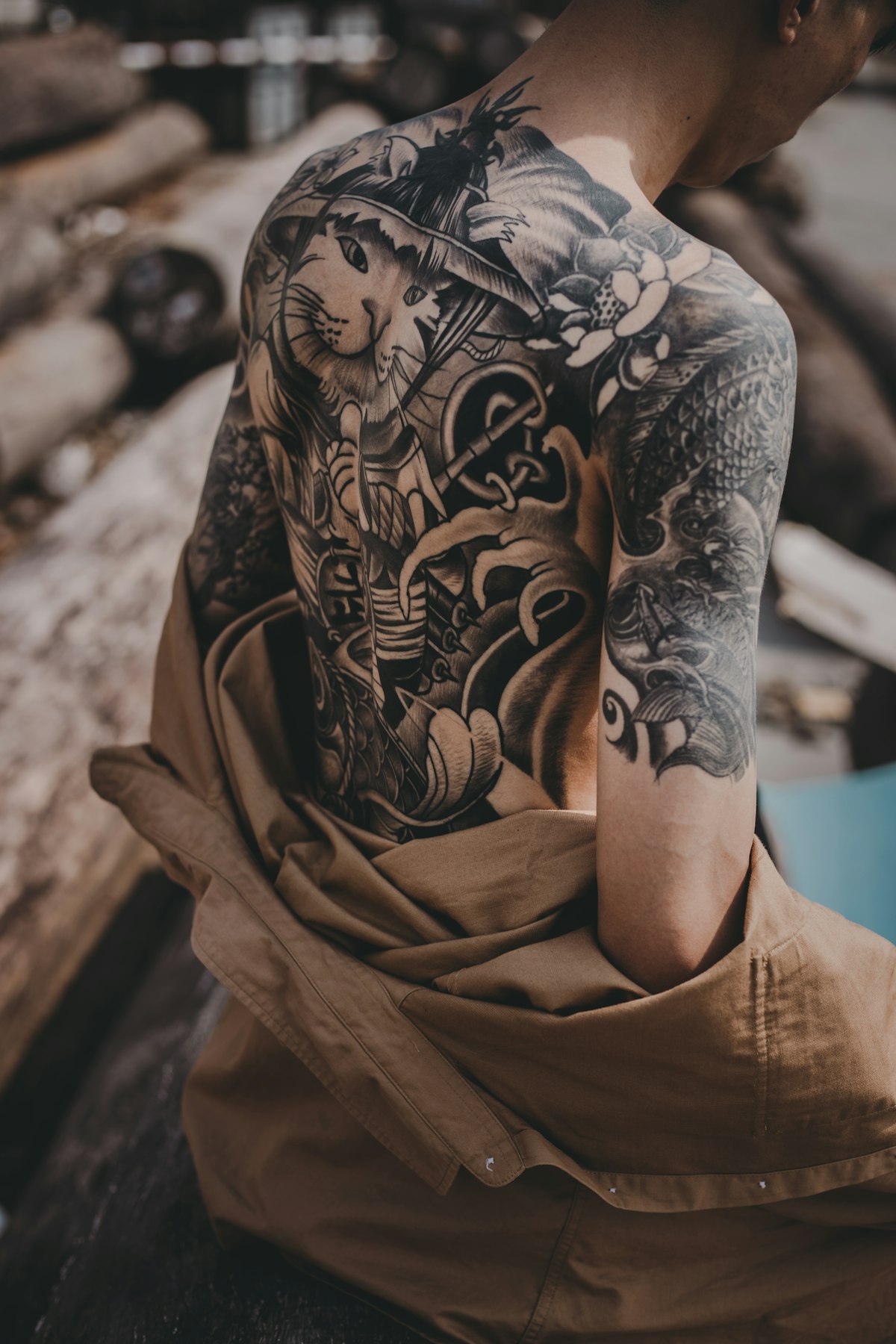
Safe Swimming Practices for Healed Tattoos
Once your tattoo has fully healed (typically 4-6 weeks), you can return to swimming with some precautions to protect your investment and maintain vibrant colours.
Pre-Swimming Protection
Apply Barrier Cream: Use a waterproof, broad-spectrum sunscreen (SPF 30 or higher) to protect against UV damage, which can fade tattoo colours.
Consider Tattoo-Specific Products: Some companies make protective balms specifically designed for tattooed skin in water.
Post-Swimming Care
Rinse Immediately: Shower with clean, fresh water as soon as possible after swimming to remove chlorine, salt, or contaminants.
Gentle Cleaning: Use mild, fragrance-free soap to cleanse the area without scrubbing.
Moisturise: Apply a quality tattoo aftercare balm or unscented moisturiser to prevent drying and cracking.
Monitor for Reactions: Watch for signs of irritation or allergic reactions to chemicals or contaminants.
Cost Considerations for Tattoo Touch-Ups
If water exposure damages your healing tattoo, you may need professional touch-ups. Here's what you might expect to pay at UK studios in 2026:
| Service Type | Price Range | Notes |
|---|---|---|
| Minor Touch-Up (small areas) | £50-£100 | Usually within 6 months of original work |
| Major Touch-Up (significant areas) | £100-£300 | May require multiple sessions |
| Colour Refresh | £80-£200 per hour | Depends on size and complexity |
| Infection Damage Repair | £150-£500+ | May require complete rework |
| Consultation for Damage Assessment | £20-£50 | Often waived if booking work |
Many reputable UK studios offer free minor touch-ups within the first 6-12 months if you've followed proper aftercare instructions.
Alternative Activities During Healing
While waiting for your tattoo to heal, consider these water alternatives:
Shallow Wading: Brief contact with clean water while keeping the tattoo exposed to air.
Pool Deck Activities: Enjoy poolside socialising without full water immersion.
Beach Walks: Coastal activities that don't involve swimming or extended water contact.
Gym Alternatives: Focus on dry land exercises and avoid swimming pools and saunas.
Questions to Ask Your Tattoo Artist About Swimming
Before getting tattooed, especially if you have swimming plans, discuss these important points with your artist:
- How long should I wait before swimming with this specific tattoo?
- Are there any special aftercare considerations for my tattoo's location?
- What signs should I watch for that indicate infection or poor healing?
- Do you offer free touch-ups if I follow aftercare instructions properly?
- What products do you recommend for protecting my healed tattoo while swimming?
- Are there any activities I should avoid during healing beyond swimming?
- How will my tattoo's size and style affect healing time?
- What should I do if I accidentally get my healing tattoo wet?
- Do you have experience with tattoos in my chosen location?
- Can you provide written aftercare instructions I can reference?
Long-term Swimming and Tattoo Care
Even after your tattoo has fully healed, regular swimming can gradually affect its appearance. Understanding long-term care helps preserve your tattoo's quality:
Sun Protection: Always use high-SPF sunscreen on tattoos when swimming outdoors. UV damage is the primary cause of tattoo fading.
Chemical Exposure: Frequent exposure to chlorinated water can slowly fade colours, particularly lighter shades and pastels.
Moisturising: Regular moisturising helps maintain skin elasticity and tattoo vibrancy.
Professional Maintenance: Consider annual consultations with your tattoo artist to assess whether touch-ups are needed.
FAQ: Swimming After Getting a Tattoo in the UK
How soon can I shower after getting a tattoo? You can take brief, lukewarm showers 24-48 hours after getting tattooed. Avoid direct water pressure on the tattoo, don't soak for extended periods, and gently pat dry rather than rubbing with a towel.
What happens if my fresh tattoo gets wet accidentally? If your healing tattoo gets wet accidentally, immediately pat it dry with a clean towel, allow it to air dry completely, and apply a thin layer of aftercare ointment. Monitor for signs of infection or irritation over the following days.
Can I use waterproof bandages to swim with a fresh tattoo? No, waterproof bandages are not recommended for swimming with fresh tattoos. They can trap moisture and bacteria against the healing skin, increasing infection risk. It's better to wait until proper healing is complete.
Is it safe to swim in the sea after my tattoo has healed? Yes, once fully healed (4-6 weeks), swimming in the sea is generally safe. However, always rinse off immediately afterward with fresh water to remove salt, which can be drying, and apply moisturiser to prevent skin damage.
How can I tell if my tattoo is infected from water exposure? Signs of tattoo infection include increasing redness beyond the tattoo borders, warmth, swelling, pus or unusual discharge, red streaking from the tattoo area, and fever. Seek immediate medical attention if you experience these symptoms.
Will swimming in chlorinated pools fade my healed tattoo? Regular exposure to chlorinated water can gradually fade tattoo colours over time, particularly lighter shades. To minimise fading, rinse immediately after swimming, use quality sunscreen, and moisturise regularly to maintain skin health.
Taking proper precautions and waiting for complete healing ensures your tattoo remains vibrant and healthy throughout its lifetime. Remember that patience during the healing process prevents costly repairs and protects your investment in quality body art.
Find a Tattoo Artist Near You →
Search our free UK directory to find talented, professional tattoo artists and studios across the UK. Browse portfolios, compare styles and find the right artist for your next piece.
Comments(0)