First Tattoo Tips UK 2026
Essential first tattoo tips for UK residents. Find artists, understand costs, aftercare & safety. Complete beginner's guide for 2026.
Jack

First Tattoo Tips UK 2026: Your Complete Guide to Getting Inked
Getting your first tattoo is an exciting milestone, but it can also feel overwhelming with so many decisions to make and considerations to keep in mind. Whether you've been planning your first piece of body art for months or you've just decided to take the plunge, this comprehensive guide will walk you through everything you need to know about getting your first tattoo in the UK.
From choosing the right design and finding a reputable artist to understanding the legal requirements and aftercare process, we'll cover all the essential first tattoo tips to ensure your experience is positive, safe, and results in artwork you'll love for years to come.

Understanding UK Tattoo Regulations and Age Requirements
Before diving into design choices and artist selection, it's crucial to understand the legal framework surrounding tattooing in the UK. The most important regulation to know is that you must be at least 18 years old to get a tattoo in England, Scotland, and Wales. Northern Ireland has slightly different regulations, but the minimum age remains 18.
This age restriction exists for good reason – getting a tattoo is a permanent decision that requires mature consideration. Even if you're convinced you want a particular design at 17, your tastes and circumstances may change significantly over the coming years.
All legitimate tattoo studios in the UK must be licensed by their local council and comply with strict hygiene and safety standards. These regulations ensure that studios maintain proper sterilisation procedures, use single-use needles, and follow health and safety protocols to protect clients from infections and cross-contamination.
Choosing Your First Tattoo Design
Your first tattoo design should be something meaningful and timeless rather than a spur-of-the-moment decision. Here are key considerations when selecting your design:
Start Small and Simple
Many tattoo artists recommend that first-time clients opt for smaller, simpler designs. This approach allows you to experience the tattooing process without committing to hours in the chair or a large financial investment. Simple designs also tend to age better and are easier to touch up if needed.
Consider Placement Carefully
Think about where you want your tattoo and how it might affect your personal and professional life. While attitudes towards tattoos have become more accepting in the UK, some workplaces still maintain conservative dress codes. Popular first tattoo locations include:
- Upper arms and shoulders (easily concealed)
- Forearms (visible but professional)
- Ankle or calf areas
- Behind the ear (small and discreet)
- Ribcage or back (easily hidden)
Avoid Trendy Designs
What's popular today might look dated in a few years. Instead of choosing something because it's fashionable, select a design that has personal meaning or represents your interests, values, or experiences. Classic designs like simple geometric patterns, meaningful symbols, or well-executed traditional styles tend to stand the test of time.
Finding the Right Tattoo Artist
Selecting the right tattoo artist is perhaps the most critical decision you'll make in your tattoo journey. A skilled, experienced artist can bring your vision to life, while a poor choice can result in disappointing or even dangerous outcomes.
Research Artists' Portfolios
Every reputable tattoo artist should have an extensive portfolio showcasing their work. Look for:
- Consistent quality across different styles
- Clean, straight lines
- Proper shading and colour work
- Healed tattoo photos (showing how their work looks after recovery)
- Styles that match what you're looking for
Check Reviews and Recommendations
Online reviews on platforms like Google, Facebook, and specialised tattoo forums can provide valuable insights into an artist's professionalism, cleanliness, and customer service. Pay attention to comments about:
- Studio cleanliness and hygiene practices
- Artist's communication and professionalism
- Pain management and client comfort
- Aftercare guidance and support
Visit Studios in Person
Before booking, visit potential studios to get a feel for the environment. A professional tattoo studio should be:
- Spotlessly clean and well-organised
- Properly licensed and displaying certificates
- Equipped with modern, sterilised equipment
- Welcoming and professional in atmosphere
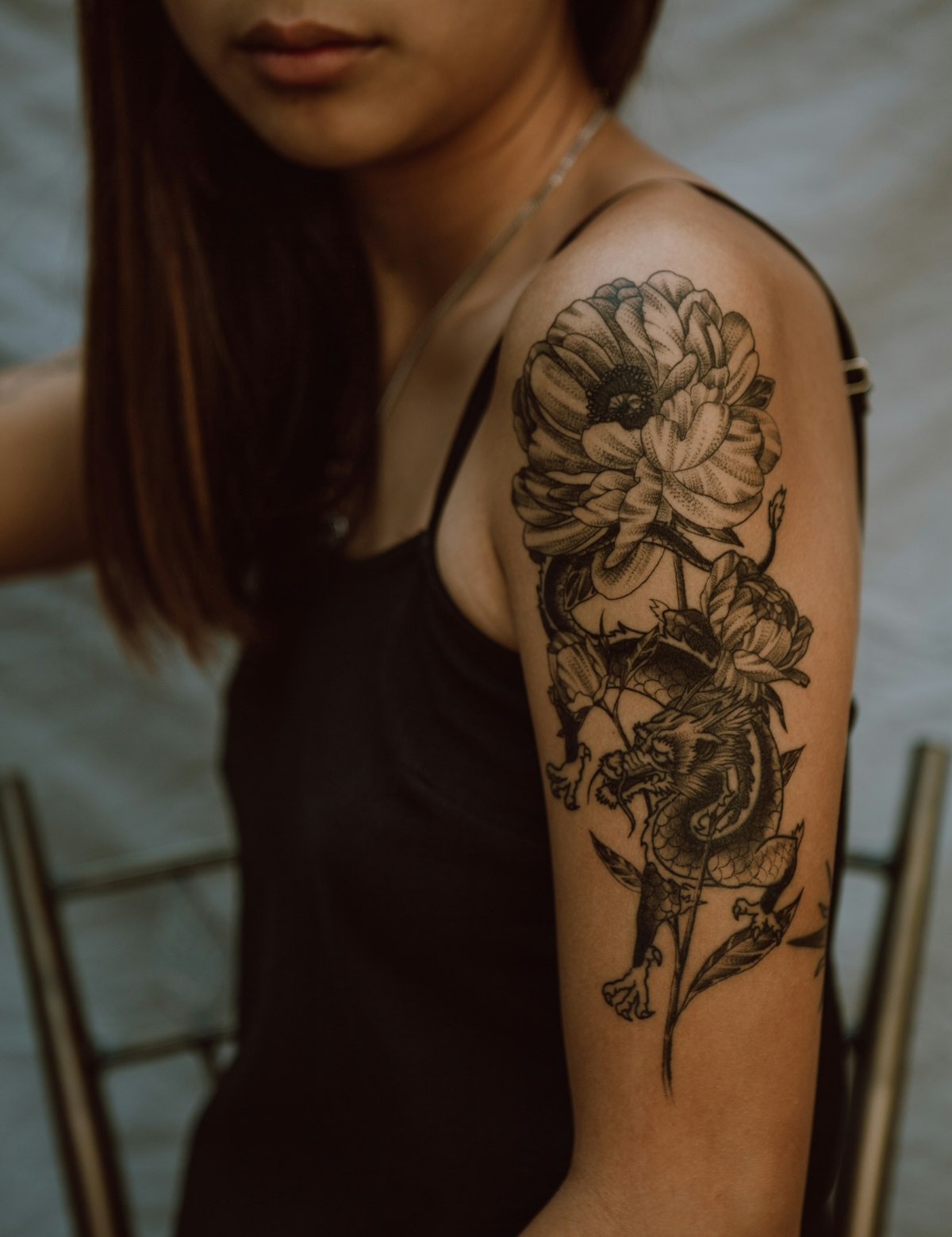
First Tattoo Pricing Guide UK 2026
Understanding tattoo pricing helps you budget appropriately and avoid artists who charge suspiciously low rates (which often indicates poor quality or unsafe practices). Here's a realistic pricing guide for first tattoos in the UK:
| Tattoo Size/Type | Price Range | Duration | Notes |
|---|---|---|---|
| Small (2-3 inches) | £80-£150 | 1-2 hours | Simple designs, single colour |
| Medium (4-6 inches) | £150-£300 | 2-4 hours | More detail, possible colour |
| Large (6+ inches) | £300-£600+ | 4-8+ hours | Complex designs, multiple sessions |
| Flash designs | £60-£120 | 30min-2 hours | Pre-drawn studio designs |
| Custom consultation | £50-£100 | 1 hour | Design development meeting |
| Touch-up session | £50-£100 | 1-2 hours | Usually free if within warranty period |
Remember that quality tattoos are an investment. Extremely cheap tattoos often come with hidden costs in terms of poor execution, health risks, or the need for expensive cover-ups later.
Preparing for Your First Tattoo Appointment
Proper preparation can significantly impact your tattoo experience and the quality of the final result. Here's how to prepare:
Physical Preparation
- Get a good night's sleep before your appointment
- Eat a substantial meal 1-2 hours before your session
- Stay hydrated but avoid excessive alcohol consumption
- Avoid blood-thinning medications unless prescribed
- Moisturise the tattoo area for several days beforehand
Mental Preparation
- Research the pain levels for your chosen placement
- Bring entertainment (music, podcasts) for longer sessions
- Practice breathing and relaxation techniques
- Set realistic expectations about discomfort levels
What to Bring
- Valid photo ID proving you're over 18
- Comfortable clothing that allows easy access to the tattoo area
- Snacks and water for longer sessions
- Payment method (many studios prefer cash)
- A supportive friend if the studio allows it
The Tattoo Process: What to Expect
Understanding what happens during your tattoo appointment can help reduce anxiety and ensure you're prepared for each stage.
Consultation and Design Approval
Your artist will discuss your design, placement, and any modifications needed. This is the time to ask questions and make any final adjustments. Don't feel pressured to proceed if you're not completely satisfied with the design.
Skin Preparation
The artist will clean and shave the tattoo area, then apply a stencil of your design. You'll have a chance to check the placement in a mirror and request adjustments if needed.
The Tattooing Process
The actual tattooing involves the artist using a tattoo machine to inject ink into the dermis layer of your skin. The sensation varies by location but is generally described as a scratching or burning feeling rather than sharp pain.
Pain Management Tips
- Focus on your breathing
- Bring headphones for distraction
- Take breaks if needed
- Communicate with your artist about discomfort levels
Essential Aftercare for Your First Tattoo
Proper aftercare is crucial for healing and maintaining the quality of your new tattoo. Your artist should provide detailed aftercare instructions, but here are the key points:
Immediate Aftercare (First 24 Hours)
- Keep the protective covering on for 2-4 hours
- Gently wash with antibacterial soap and lukewarm water
- Pat dry with a clean towel (don't rub)
- Apply a thin layer of recommended aftercare product
- Avoid tight clothing that might irritate the area
Ongoing Care (2-4 Weeks)
- Wash gently twice daily
- Apply fragrance-free moisturiser or specialised tattoo aftercare products
- Avoid soaking in baths, swimming pools, or hot tubs
- Keep out of direct sunlight
- Don't pick at scabs or peeling skin
- Avoid strenuous exercise that causes excessive sweating
Questions to Ask Before Booking Your First Tattoo
Use this checklist to ensure you're making an informed decision:
- Is the studio properly licensed and insured?
- Can I see the artist's portfolio and healed work examples?
- What are the total costs including any potential touch-ups?
- How long will the tattoo take to complete?
- What aftercare products do you recommend?
- What's your policy on touch-ups and warranty?
- Can you show me your sterilisation procedures?
- What happens if I need to reschedule my appointment?
- Do you have experience with first-time tattoo clients?
- Can you explain the pain levels for my chosen placement?
- What deposit is required and is it refundable?
- Do you offer payment plans for larger pieces?
Common First Tattoo Mistakes to Avoid
Learning from others' experiences can help you avoid these common pitfalls:
Rushing the Decision
Take time to consider your design choice thoroughly. A good rule of thumb is to wait at least six months after deciding on a design before getting it tattooed.
Choosing Based on Price Alone
While budget considerations are important, choosing the cheapest option often leads to disappointing results. Quality tattoos are worth the investment.
Ignoring Red Flags
Trust your instincts if something feels wrong about a studio or artist. Red flags include poor hygiene, pushy sales tactics, or reluctance to answer questions about safety procedures.
Inadequate Research
Don't rely solely on social media portfolios or advertisements. Visit studios, read reviews, and talk to people who have work from your chosen artist.
Frequently Asked Questions
How much should I tip my tattoo artist? Tipping in the UK tattoo industry typically ranges from 10-20% of the tattoo cost, depending on the service quality and your satisfaction. Some clients prefer to tip in cash even when paying by card for the tattoo itself.
Can I bring a friend to my tattoo appointment? Most studios allow one friend to accompany you, but check their policy when booking. Some artists prefer working without distractions, especially for longer sessions.
What if I don't like my tattoo once it's finished? Minor touch-ups are often included in the initial price if done within a specified timeframe (usually 4-6 weeks). For major changes, you may need to wait for complete healing before considering modifications or cover-ups.
How long should I wait between tattoo sessions? For multi-session pieces, most artists recommend waiting 4-6 weeks between sessions to allow complete healing. This timeframe may vary based on the size and location of your tattoo.
Is it normal for my tattoo to look faded during healing? Yes, tattoos often appear cloudy or faded during the healing process due to the formation of a protective layer of new skin. The true colours and details will emerge once healing is complete, typically after 2-4 weeks.
Can I exercise after getting a tattoo? Light exercise is generally fine after 48-72 hours, but avoid activities that cause excessive sweating or could expose your tattoo to bacteria (like swimming) for at least 2-3 weeks.
Getting your first tattoo is an exciting journey that requires careful consideration and preparation. By following these comprehensive first tattoo tips, you'll be well-equipped to make informed decisions and enjoy a positive experience. Remember that a good tattoo is worth waiting for, and investing in quality artistry and proper aftercare will ensure you love your new body art for years to come.
Find a Tattoo Artist Near You →
Search our free UK directory to find talented, professional tattoo artists and studios across the UK. Browse portfolios, compare styles and find the right artist for your next piece.
Comments(0)