How Much Do Tattoo Artists Earn UK 2026
Discover realistic UK tattoo artist earnings for 2026. From apprentice to expert levels, explore salary ranges, pricing structures and career prospects.
Jack

How Much Do Tattoo Artists Earn UK 2026
The UK tattoo industry continues to thrive in 2026, with body art becoming increasingly mainstream and socially accepted across all demographics. As more people consider pursuing tattooing as a career, one of the most common questions asked is about earning potential. Understanding how much tattoo artists earn in the UK requires examining various factors including experience level, location, working arrangements, and specialisation.
This comprehensive guide explores the reality of tattoo artist earnings in the UK for 2026, breaking down salary ranges, factors affecting income, and what aspiring artists can realistically expect as they build their careers in this creative industry.

UK Tattoo Artist Salary Overview 2026
The earnings of tattoo artists in the UK vary dramatically based on numerous factors. Entry-level artists might start earning between £15,000 to £25,000 annually, while experienced professionals can earn £40,000 to £80,000 or more. The most successful artists, particularly those with celebrity clientele or running their own studios, can earn six-figure incomes.
However, these figures represent the full spectrum, and most working tattoo artists fall somewhere in the middle range. It's crucial to understand that tattooing income is rarely guaranteed or consistent, particularly for those working on commission or as freelancers.
Regional Variations
Location plays a significant role in determining earnings potential. London and the South East typically offer the highest rates, with established artists charging £150-£300 per hour. Northern cities like Manchester, Leeds, and Newcastle generally see rates between £100-£200 per hour, whilst smaller towns might see rates of £80-£150 per hour.
Employment Types and Earning Structures
Studio Employees
Many tattoo artists work as employees in established studios, receiving either a salary or working on commission splits. Commission structures typically range from 40-60% of the tattoo cost going to the artist, with the studio retaining the remainder to cover overheads including rent, equipment, supplies, and administrative costs.
Salaried positions are less common but offer more financial security. These positions typically pay between £20,000-£35,000 annually for experienced artists, with additional commission potential on top of the base salary.
Freelance and Rental Artists
Experienced artists often rent booth space in studios, typically paying £80-£150 per day or £300-£600 per week, depending on location and studio reputation. This arrangement allows artists to keep 100% of their earnings after covering the rental fee and their own supplies.
Studio Owners
Running a successful tattoo studio can be highly profitable but requires significant business acumen beyond artistic skill. Studio owners must manage staff, maintain equipment, handle licensing requirements, and build customer bases. Successful studio owners can earn £60,000-£150,000+ annually, though this comes with substantial responsibilities and risks.
Factors Affecting Tattoo Artist Earnings
Experience and Skill Level
Apprentice/Entry Level (0-2 years) New artists typically earn £15,000-£25,000 annually whilst building their portfolio and client base. Many apprentices work for minimal pay whilst learning, focusing on gaining experience rather than immediate financial returns.
Mid-Level Artists (3-7 years) With established skills and growing reputations, mid-level artists typically earn £25,000-£45,000 annually. These artists have developed their signature styles and built loyal customer bases.
Experienced Artists (8+ years) Seasoned professionals with strong reputations can earn £45,000-£80,000+ annually. These artists often have waiting lists and can command premium rates for their work.
Specialisation and Style
Certain tattoo styles command higher prices due to complexity or demand:
- Realistic portraits: £200-£400 per session
- Japanese traditional: £150-£300 per session
- Fine line work: £120-£250 per session
- Cover-up specialists: £150-£350 per session
- Large-scale pieces: Often priced as complete projects (£1,000-£5,000+)
Artists specialising in highly technical or niche styles often earn more than generalists, as clients will travel and pay premium rates for specific expertise.
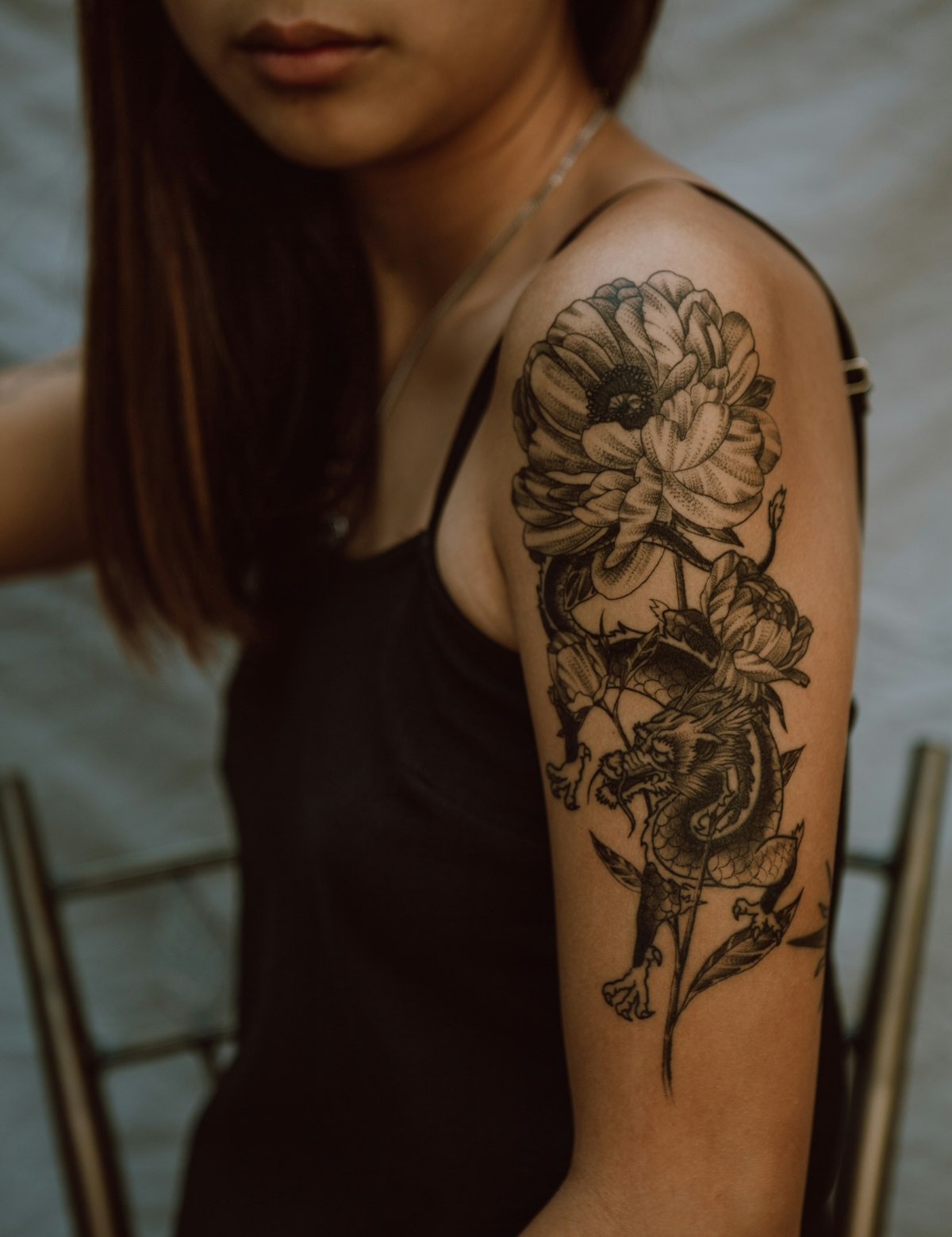
2026 UK Tattoo Pricing Structure
Understanding current UK tattoo pricing helps illustrate potential artist earnings. Here's a typical pricing structure for 2026:
| Service Type | Price Range | Artist Earnings (50% split) |
|---|---|---|
| Small tattoo (1-2 hours) | £120-£300 | £60-£150 |
| Medium tattoo (3-4 hours) | £300-£800 | £150-£400 |
| Large tattoo (5-8 hours) | £800-£2,000 | £400-£1,000 |
| Full day session (6-8 hours) | £1,200-£2,400 | £600-£1,200 |
| Touch-up session | £50-£150 | £25-£75 |
| Consultation fee | £30-£80 | £15-£40 |
Prices vary significantly by location, artist reputation, and tattoo complexity
Working Hours and Annual Capacity
Most tattoo artists work 4-6 days per week, typically 6-10 hours per day when actively tattooing. However, significant time is spent on:
- Design work: Creating custom designs and preparing stencils
- Consultations: Meeting with potential clients
- Administrative tasks: Booking appointments, social media, business management
- Equipment maintenance: Cleaning, sterilising, and maintaining tools
- Continuing education: Learning new techniques and staying current with trends
Realistically, even busy artists might only tattoo 20-30 hours per week, with the remainder spent on necessary non-billable activities.
Building a Sustainable Tattoo Career
Client Development
Successful tattoo artists understand that repeat clients and referrals form the backbone of sustainable income. Building strong relationships and consistently delivering quality work creates a reliable income stream over time.
Business Skills
Understanding pricing, marketing, and client management significantly impacts earning potential. Many talented artists struggle financially due to poor business practices, whilst less technically skilled artists thrive through excellent customer service and marketing.
Professional Development
Investing in workshops, conventions, and new equipment keeps artists competitive and able to command higher rates. The tattoo industry evolves rapidly, and staying current is essential for long-term success.
UK Legal Requirements and Costs
All UK tattoo artists must comply with local licensing requirements, which vary by council but typically include:
- Premises registration: £100-£500 annually
- Personal licenses: £50-£200 annually
- Insurance requirements: £200-£800 annually
- Health and safety compliance: Ongoing costs for supplies and equipment
- Blood-borne pathogen training: £100-£300 per course
These regulatory costs must be factored into earning calculations, as they represent mandatory business expenses.
Questions to Ask Before Choosing Tattooing as a Career
- Are you prepared for an extended apprenticeship period with minimal income?
- Do you have artistic skills beyond just drawing ability?
- Can you handle close physical contact with diverse clients for extended periods?
- Are you comfortable with blood and bodily fluids?
- Do you have strong people skills and customer service abilities?
- Can you maintain focus and precision for 6-8 hour sessions?
- Are you prepared to continuously learn and adapt your techniques?
- Do you understand the business aspects of running a tattoo practice?
- Can you handle irregular income and seasonal fluctuations?
- Are you committed to maintaining the highest hygiene and safety standards?
Frequently Asked Questions
Q: How long does it take to start earning decent money as a tattoo artist? A: Most artists require 3-5 years to build sufficient skills and clientele to earn a comfortable living. The apprenticeship period typically involves minimal pay, with gradual income increases as skills and reputation develop.
Q: Do tattoo artists pay tax like other self-employed professionals? A: Yes, most tattoo artists are self-employed and must register with HMRC, file annual tax returns, and pay income tax and National Insurance contributions on their earnings. Many also need to register for VAT if earnings exceed the current threshold.
Q: What's the difference between hourly rates and day rates for tattoos? A: Hourly rates typically range from £80-£300 depending on the artist and location. Day rates (6-8 hours) often offer better value for clients and guaranteed income for artists, typically ranging from £600-£2,000 for a full session.
Q: Can tattoo artists earn money from other sources besides tattooing? A: Many artists supplement income through merchandise sales, teaching workshops, guest spots at conventions, selling flash designs, and social media partnerships. Some also work in related fields like permanent makeup or body piercing.
Q: Is the tattoo industry recession-proof? A: While tattoos are often considered discretionary spending, the industry has shown remarkable resilience. However, economic downturns typically affect luxury spending first, so artists may experience reduced bookings during difficult economic periods.
Q: What insurance do tattoo artists need, and how much does it cost? A: Professional indemnity and public liability insurance are essential, typically costing £200-£800 annually depending on coverage levels. Some studios provide insurance for employed artists, while self-employed artists must arrange their own coverage.
The tattoo industry in the UK offers genuine career opportunities for dedicated artists willing to invest time in developing both artistic and business skills. While earning potential varies significantly, those who approach tattooing as both an art form and a professional service can build rewarding and financially sustainable careers in this growing creative industry.
Find a Tattoo Artist Near You →
Search our free UK directory to find talented, professional tattoo artists and studios across the UK. Browse portfolios, compare styles and find the right artist for your next piece.
Comments(0)