How to Spot a Bad Tattoo Artist UK
Learn how to spot a bad tattoo artist UK with our complete guide. Avoid poor quality work and health risks with these essential warning signs.
Jack

How to Spot a Bad Tattoo Artist UK: Red Flags to Avoid in 2026
Getting a tattoo is a significant decision that will stay with you for life, making it crucial to choose the right artist. Unfortunately, not all tattoo artists meet the professional standards you deserve, and a poor choice can result in subpar work, health risks, or an expensive cover-up down the line. Knowing how to spot a bad tattoo artist in the UK can save you from costly mistakes and ensure you get the quality artwork you're paying for.
The UK tattoo industry has grown exponentially, with thousands of artists operating across the country. Whilst the majority are skilled professionals, the increased popularity has inevitably attracted some less scrupulous operators. Understanding the warning signs and knowing what to look for will help you make an informed decision and avoid potential pitfalls.
Understanding Professional Standards in the UK
Before diving into red flags, it's essential to understand what constitutes professional tattooing standards in the UK. All legitimate tattoo studios must comply with strict regulations set by local councils, including proper licensing, health and safety protocols, and hygiene standards. The Tattooing of Minors Act 1969 prohibits tattooing anyone under 18, and reputable artists will always verify age with appropriate identification.
Professional tattoo artists invest significant time and money in their training, equipment, and ongoing education. They understand anatomy, colour theory, and various tattooing techniques. Most importantly, they prioritise client safety and satisfaction above quick profits.
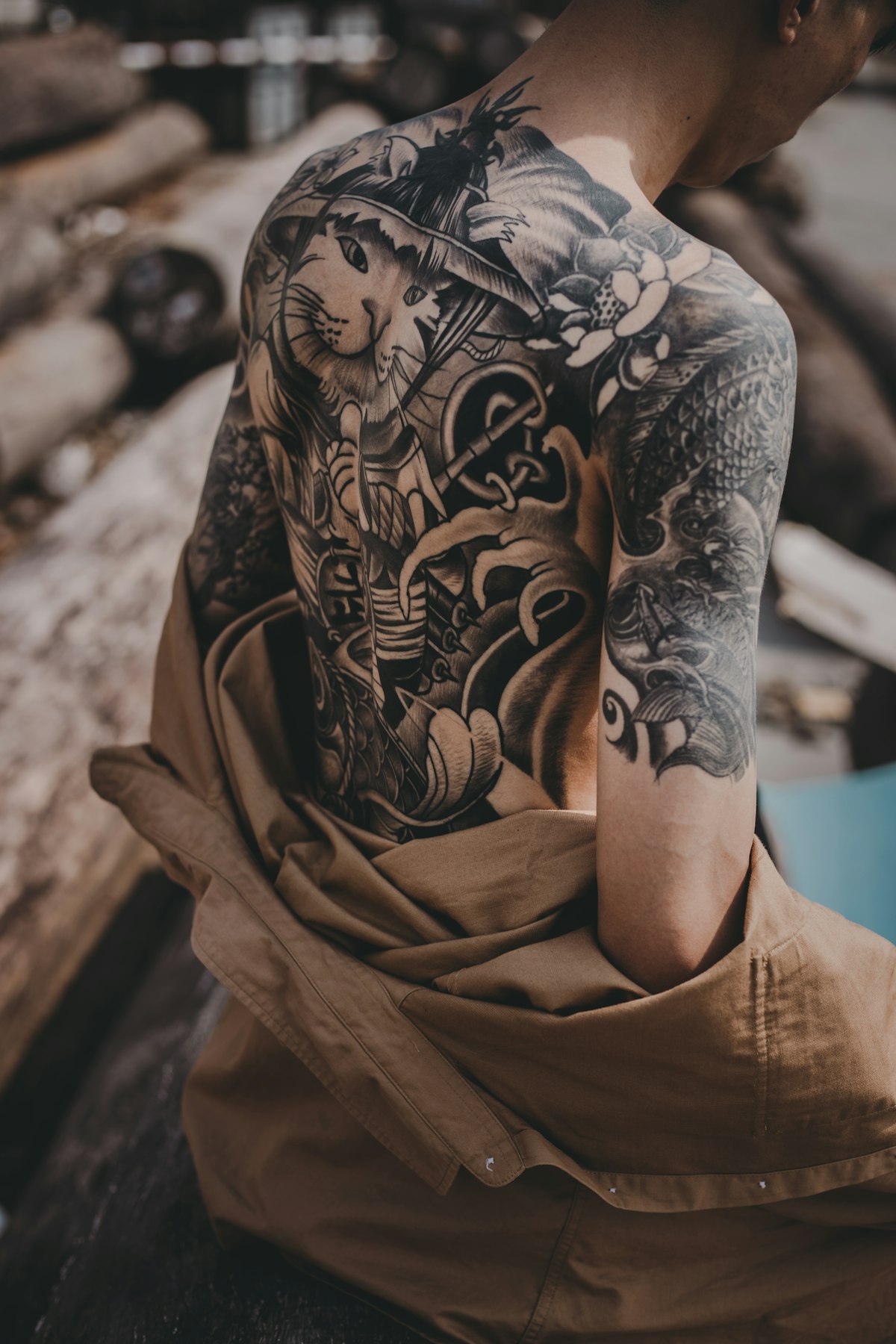
Major Red Flags: Clear Signs to Avoid
Unlicensed or Unregistered Studios
One of the most serious red flags is an artist or studio operating without proper licensing. In the UK, all tattoo premises must be registered with their local authority and undergo regular inspections. A legitimate artist should be able to provide proof of registration and display their licence prominently. If they're evasive about licensing or claim they "don't need one," walk away immediately.
Poor Hygiene Practices
Hygiene is non-negotiable in professional tattooing. Warning signs include:
- Reusing needles or equipment
- Not using fresh, sterile equipment for each client
- Failing to wear gloves or changing them between tasks
- Working in an unclean environment
- Not properly sterilising equipment in an autoclave
- Mixing ink colours on non-sterile surfaces
Professional artists follow strict cross-contamination protocols and should be transparent about their sterilisation processes.
Lack of Portfolio or Poor Quality Work
Every reputable tattoo artist maintains a comprehensive portfolio showcasing their best work. Red flags include:
- Refusing to show recent work
- Only showing copied designs from the internet
- Inconsistent line work, shading, or colour saturation
- Wonky lettering or uneven proportions
- Scarring or poor healing in healed tattoo photos
- No photos of healed tattoos (only fresh work)
Quality artists are proud of their work and eager to demonstrate their skills across various styles and techniques.
Unprofessional Communication and Behaviour
Professional tattoo artists maintain clear communication and respectful boundaries. Warning signs include:
- Pressuring you to book immediately
- Refusing to discuss design modifications
- Being dismissive of your concerns or questions
- Appearing intoxicated or under the influence
- Using high-pressure sales tactics
- Being unable to explain technical aspects of the process
Unrealistic Pricing
Whilst everyone appreciates good value, extremely low prices often indicate corner-cutting that could affect quality or safety. Similarly, wildly inflated prices without justification may indicate an artist trying to capitalise on inexperienced clients.
Pricing Warning Signs
| Red Flag Pricing Behaviour | What It Usually Means |
|---|---|
| Significantly below market rate (under £60/hour outside London) | Inexperienced artist or cutting corners on quality/safety |
| No clear hourly rate or session pricing | Unprofessional business practices |
| Demanding full payment upfront | Potential scam or cash flow issues |
| No deposit policy | Lack of professional booking procedures |
| Prices that seem too good to be true | Usually are - quality likely compromised |
Technical Skill Red Flags
Poor Design Skills
Many subpar artists rely heavily on copying existing designs rather than creating original artwork. Warning signs include:
- Only offering flash designs or stencils from books
- Inability to draw custom designs
- Poor understanding of how designs will translate to skin
- Unwillingness to modify designs to suit your body
- Lack of artistic skill evident in their drawing ability
Limited Technical Knowledge
Professional tattoo artists understand the technical aspects of their craft. Red flags include:
- Inability to explain different needle configurations
- No understanding of ink brands or colour theory
- Lack of knowledge about skin types and healing
- Unable to advise on design placement for optimal aging
- No experience with cover-ups or touch-ups

Health and Safety Concerns
Inadequate Aftercare Information
Proper aftercare is crucial for tattoo healing and final results. Warning signs include:
- Providing no aftercare instructions
- Giving outdated or harmful advice (like using petroleum jelly)
- No follow-up support for healing issues
- Dismissive attitude towards aftercare concerns
- No information about signs of infection to watch for
Ignoring Health Conditions
Professional artists take health seriously and may refuse to tattoo clients with certain conditions. Red flags include:
- Tattooing without asking about health conditions
- Proceeding despite client illness
- No questions about medications or allergies
- Tattooing over suspicious skin conditions
- Working on intoxicated clients
Environmental and Setup Red Flags
Unprofessional Studio Environment
The studio environment speaks volumes about an artist's professionalism:
- Cluttered, dirty, or chaotic workspace
- No separate areas for consultation and tattooing
- Pets in the studio during working hours
- No proper lighting for detailed work
- Inadequate ventilation
- General uncleanliness or poor maintenance
Equipment Issues
Professional tattoo equipment represents a significant investment. Warning signs include:
- Homemade or improvised tattooing equipment
- Visibly old, damaged, or poorly maintained machines
- No backup equipment available
- Using kitchen or craft supplies inappropriately
- No proper sterilisation equipment visible
Business Practice Red Flags
No Consultation Process
Reputable artists always conduct thorough consultations. Red flags include:
- Rushing straight into tattooing without discussion
- No interest in understanding your vision
- Refusing to provide time estimates
- No discussion of risks or contraindications
- Unwillingness to reschedule if you're having second thoughts
Poor Contract or Documentation
Professional studios maintain proper records and contracts:
- No consent forms or aftercare sheets
- Refusing to provide written estimates
- No documentation of your ID verification
- Missing health questionnaires
- No clear cancellation or rescheduling policies
How to Verify Artist Credentials
Research and Background Checks
Before booking any artist, conduct thorough research:
- Check online reviews across multiple platforms
- Look for the studio's local authority registration
- Search for the artist on professional social media
- Ask about their training and apprenticeship background
- Verify their insurance coverage
Professional Memberships and Training
Many reputable UK tattoo artists belong to professional organisations or have formal training certificates. Whilst not mandatory, these can indicate commitment to professional standards:
- First aid certification
- Bloodborne pathogen training
- Professional development courses
- Apprenticeship under established artists
Questions to Ask Before Booking
Essential Pre-Booking Checklist
- Is the studio properly licensed and registered with local authorities?
- Can I see a comprehensive portfolio of healed tattoos?
- What sterilisation methods do you use for equipment?
- Can you provide references from recent clients?
- What is your experience with my chosen style?
- Do you offer consultations before booking?
- What aftercare products and instructions do you provide?
- What is your policy on touch-ups?
- Are you insured for public liability?
- Can you show me your autoclave spore testing certificates?
- How long have you been tattooing professionally?
- Can you modify the design to suit my preferences?
- What happens if I'm not satisfied with the result?
- Do you have experience tattooing my skin type?
- What safety protocols do you follow?
What Good Artists Do Differently
Understanding positive indicators helps balance the warning signs. Professional tattoo artists:
- Maintain detailed portfolios with healed work
- Follow strict hygiene protocols without being asked
- Take time for proper consultations
- Provide detailed aftercare instructions
- Welcome questions and concerns
- Maintain professional, clean studios
- Stay current with techniques and safety standards
- Build long-term client relationships
- Offer honest advice, even if it means less business
- Respect client comfort and boundaries
Current UK Tattoo Market Rates (2026)
| Location | Hourly Rate | Day Session Rate | Small Tattoo (2-3 hours) |
|---|---|---|---|
| London | £120-180+ | £800-1200+ | £240-540 |
| Major Cities | £80-140 | £600-900 | £160-420 |
| Towns/Suburbs | £60-100 | £400-650 | £120-300 |
| Rural Areas | £50-80 | £350-500 | £100-240 |
Rates vary significantly based on artist experience, style specialisation, and local market conditions
Taking Action on Red Flags
If you encounter any of these warning signs, don't ignore your instincts. It's always better to postpone a tattoo than risk poor results or health complications. Remember that deposits are typically non-refundable, so thorough research beforehand is crucial.
Consider reporting serious safety violations to local trading standards or environmental health departments. This helps protect other potential clients and maintains industry standards.
Frequently Asked Questions
Q: How can I verify if a tattoo studio is properly licensed in the UK? A: Contact your local council's environmental health department or trading standards office. They maintain records of all licensed tattoo premises in their area. You can also ask the studio to show their current registration certificate, which should be displayed prominently.
Q: What should I do if I spot red flags during my consultation? A: Trust your instincts and don't proceed with the appointment. It's better to lose a deposit than risk your health or end up with poor-quality work. Politely excuse yourself and look for another artist.
Q: Are extremely cheap tattoos always bad quality? A: Not always, but very low prices often indicate an inexperienced artist or corners being cut on quality materials and safety protocols. Research the artist thoroughly and ensure they meet all professional standards regardless of price.
Q: How important are online reviews when choosing a tattoo artist? A: Online reviews provide valuable insights but should be considered alongside other factors. Look for patterns in reviews, recent feedback, and responses to both positive and negative comments. A few bad reviews among many good ones might not be concerning, but consistent complaints about hygiene or quality are major red flags.
Q: Can I ask to see an artist's autoclave spore test results? A: Absolutely, and professional artists should be happy to show recent spore test results. These tests verify that sterilisation equipment is working properly and are typically conducted monthly. If an artist refuses or doesn't know what you're talking about, consider it a red flag.
Q: What should I do if I realise I've chosen a bad tattoo artist after booking? A: Don't proceed with the tattoo. Whilst you may lose your deposit, it's much cheaper than dealing with poor work, infections, or costly cover-ups later. Report any serious safety concerns to local authorities to protect other potential clients.
Choosing the right tattoo artist requires careful research and attention to detail, but investing time in the selection process pays dividends in quality results and peace of mind. Remember that professional artists welcome questions and scrutiny – if someone gets defensive about your concerns, that's often a red flag in itself.
Find a Tattoo Artist Near You →
Search our free UK directory to find talented, professional tattoo artists and studios across the UK. Browse portfolios, compare styles and find the right artist for your next piece.
Comments(0)