Ink Near Me UK
Find quality ink near you in the UK with our complete guide. Compare artists, pricing, and styles to book the perfect tattoo experience safely.
Jack

Ink Near Me UK: Your Complete Guide to Finding the Perfect Tattoo Artist
Finding quality ink near you in the UK has never been more important, with the tattoo industry experiencing unprecedented growth and evolving artistic standards. Whether you're seeking your first piece or adding to an existing collection, choosing the right tattoo artist and studio can make the difference between a lifelong masterpiece and a costly mistake.
The UK's tattoo scene has transformed dramatically over recent decades, evolving from a niche subculture to mainstream acceptance. Today's British tattoo artists are among the world's most skilled practitioners, blending traditional techniques with contemporary innovation. However, this growth means navigating an increasingly complex landscape of studios, styles, and standards.
Understanding the UK Tattoo Industry
The British tattoo industry operates under strict regulations designed to protect both artists and clients. All tattoo studios must be licensed by their local council, with premises meeting specific hygiene and safety standards. Artists must complete blood-borne pathogen training and maintain current first aid certification.

These regulations ensure that when you search for "ink near me UK", you're accessing professionally operated studios that prioritise client safety. The Tattooing of Minors Act 1969 prohibits tattooing anyone under 18, regardless of parental consent, making age verification mandatory at all reputable establishments.
Regional Variations and Specialisations
Different regions across the UK have developed distinct tattoo cultures and specialisations. London's diverse scene encompasses everything from traditional British styles to cutting-edge contemporary work. Manchester and Leeds have become renowned for neo-traditional and illustrative pieces, whilst Brighton's artistic community has fostered experimental and avant-garde approaches.
Scotland's tattoo heritage draws heavily from Celtic traditions, though modern Scottish artists excel across all styles. Wales has seen remarkable growth in recent years, with Cardiff and Swansea emerging as significant tattoo destinations. Northern Ireland's scene, whilst smaller, boasts exceptionally skilled artists who've gained international recognition.
How to Research Tattoo Artists Near You
Online Research and Social Media
Modern tattoo research begins online, with Instagram serving as the primary portfolio platform for most artists. When searching for ink near you, examine artists' complete feeds rather than just highlight reels. Look for consistency in quality, healing photos showing finished results, and evidence of proper aftercare guidance.
Facebook often provides additional insights through client reviews and studio updates. Many artists maintain personal websites showcasing their best work alongside booking information and studio policies. Google Reviews can offer valuable perspectives, though remember that tattoo experiences are highly personal and subjective.
Studio Visits and Consultations
Never book a tattoo without visiting the studio in person. This allows you to assess cleanliness standards, meet the artist, and gauge the overall atmosphere. Professional studios welcome potential clients and encourage consultations before booking appointments.
During your visit, observe the studio's organisation and cleanliness. Equipment should be properly stored, surfaces should be clean, and the overall environment should feel professional. The reception area often reflects the studio's standards, so pay attention to details like appointment scheduling systems and client information handling.
Styles and Specialisations to Consider
Traditional and Neo-Traditional
Traditional tattooing remains popular across the UK, characterised by bold lines, limited colour palettes, and classic imagery. Neo-traditional work builds on these foundations whilst incorporating modern techniques and expanded colour ranges. Both styles suit various body placements and age exceptionally well.
Realism and Portraiture
Photorealistic tattoos demand exceptional technical skill and typically command premium prices. Portrait work requires particular expertise, as facial features and proportions must be precisely executed. These pieces often take multiple sessions to complete and require artists with proven track records in the style.
Blackwork and Dotwork
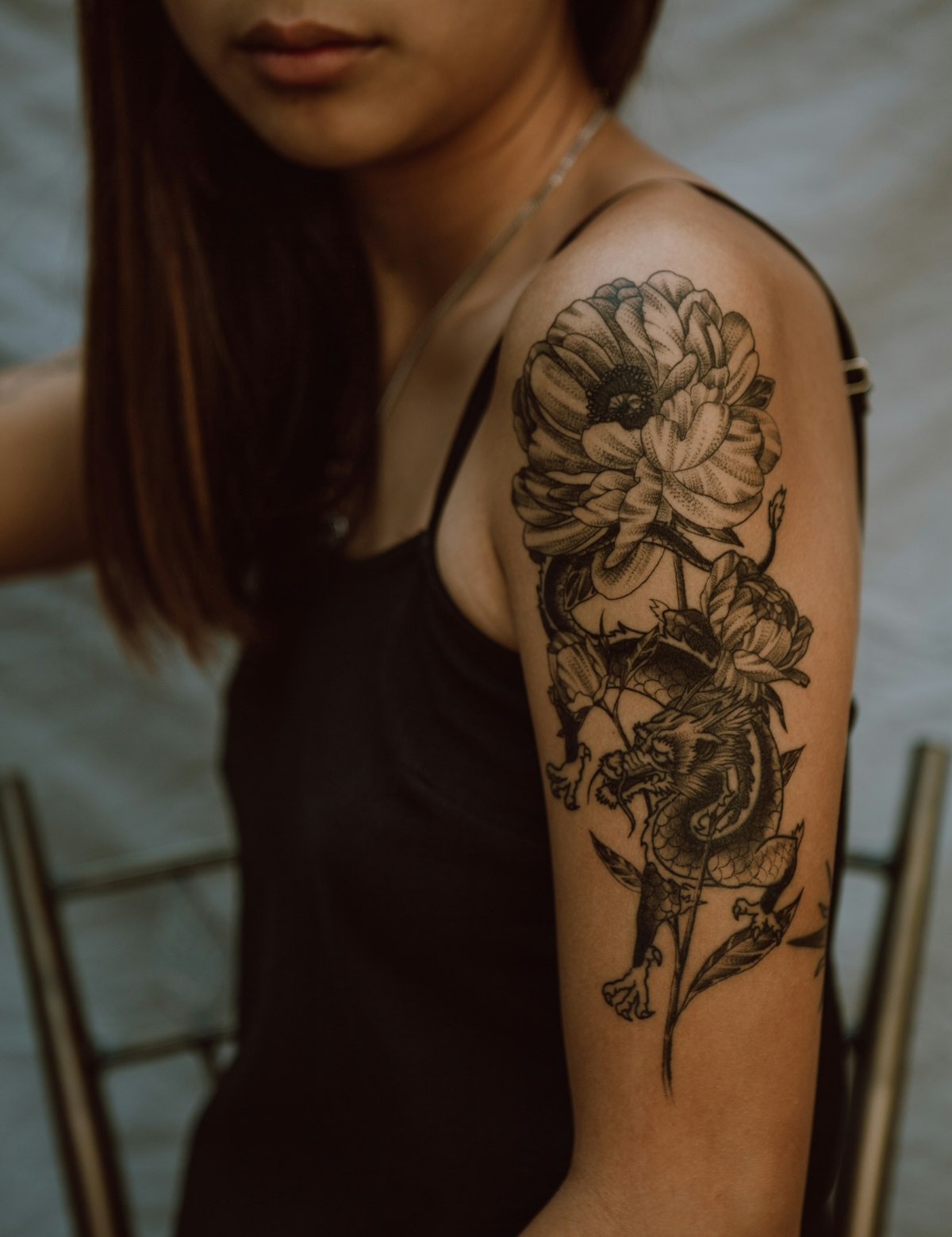
Geometric patterns, mandalas, and intricate blackwork have gained significant popularity in recent years. These styles often incorporate dotwork techniques requiring immense patience and precision. Many UK artists have developed distinctive approaches to these contemporary styles whilst maintaining traditional foundations.
Pricing Expectations for 2026
UK tattoo pricing varies significantly based on location, artist experience, and design complexity. London typically commands the highest rates, whilst smaller cities and towns often offer more affordable options without compromising quality.
| Tattoo Size | London | Major Cities | Smaller Towns |
|---|---|---|---|
| Small (2-3 inches) | £120-£200 | £80-£150 | £60-£120 |
| Medium (4-6 inches) | £200-£400 | £150-£300 | £120-£250 |
| Large (7+ inches) | £400-£800+ | £300-£600+ | £200-£500+ |
| Day rate (6-8 hours) | £800-£1,200 | £600-£1,000 | £400-£800 |
| Hourly rate | £120-£180 | £80-£150 | £60-£120 |
Prices shown are estimates and may vary significantly based on artist reputation, design complexity, and specific studio policies.
Factors Affecting Pricing
Several factors influence final tattoo costs beyond basic size measurements. Design complexity significantly impacts pricing, with detailed work requiring more time and expertise. Colour work typically costs more than black and grey pieces due to additional time and materials required.
Artist reputation and experience command premium rates, with internationally recognised artists often charging significantly more than emerging talents. Location within studios also affects pricing, with city centre locations generally more expensive than suburban alternatives.
Questions to Ask Before Booking Your Artist
Use this checklist when evaluating potential tattoo artists:
- Is the studio properly licensed and insured?
- Can I see the artist's portfolio and recent work examples?
- What are their specific specialisations and preferred styles?
- How do they handle consultations and design development?
- What is their booking timeline and deposit policy?
- Do they provide detailed aftercare instructions?
- Can they show evidence of proper hygiene and sterilisation procedures?
- What happens if touch-ups are needed during healing?
- Are they willing to work with my budget and timeline?
- Do previous clients recommend them, and can I contact references?
- How do they handle design modifications during the tattooing process?
- What payment methods do they accept, and what are their cancellation policies?
Booking and Preparation Process
Initial Contact and Consultation
Professional artists typically require consultations before major pieces, allowing both parties to discuss expectations and compatibility. Come prepared with reference images, size preferences, and placement ideas. Be honest about your budget and timeline constraints.
Many artists prefer email contact with detailed project descriptions and reference materials attached. This allows them to assess project suitability before committing consultation time. Response times vary, with popular artists often booked several months in advance.
Design Development
Custom design development varies significantly between artists. Some create detailed drawings before appointments, whilst others prefer working spontaneously during sessions. Clarify the process during consultations to ensure alignment with your preferences.
Design modifications during sessions are normal, but major changes might require rescheduling. Trust your artist's expertise regarding placement, sizing, and technical feasibility whilst communicating your preferences clearly.
Understanding UK Tattoo Regulations
Health and Safety Standards
UK tattoo studios must comply with comprehensive health and safety regulations covering everything from equipment sterilisation to waste disposal. The Health and Safety Executive provides guidance on workplace standards, whilst local councils enforce licensing requirements.
All equipment contacting clients must be single-use or properly sterilised using approved methods. Needles and tubes should be opened from sterile packaging in your presence, and all surfaces should be covered with disposable barriers during sessions.
Age Restrictions and Consent
The UK maintains some of the world's strictest age restrictions for tattooing. No one under 18 can receive tattoos regardless of parental consent, with valid photo identification required for verification. This applies to all tattoo types, including temporary and henna applications in commercial settings.
Aftercare and Long-term Considerations
Immediate Aftercare
Proper aftercare begins immediately after your session ends. Your artist should provide detailed written instructions covering the first few weeks of healing. This typically includes keeping the tattoo covered initially, then switching to regular gentle cleaning and moisturising.
Avoid swimming, excessive sun exposure, and tight clothing during initial healing periods. Most tattoos require 2-4 weeks for surface healing, though complete healing can take several months depending on size and location.
Long-term Maintenance
Well-executed tattoos can look exceptional for decades with proper care. Regular moisturising, sun protection, and maintaining healthy skin contribute to long-term appearance. Touch-ups might be needed after several years, particularly for fine-line work or areas subject to frequent friction.
Red Flags to Avoid
Unprofessional Practices
Avoid artists who pressure quick decisions, refuse to show portfolios, or operate from unlicensed premises. Legitimate professionals never compromise on safety standards or rush clients through decision-making processes.
Extremely low pricing often indicates corners being cut on materials, hygiene, or time investment. Whilst budget considerations are important, prioritise safety and quality over cost savings.
Poor Communication
Artists who don't respond to enquiries, provide vague answers about their experience, or seem dismissive during consultations might not provide satisfactory services. Professional tattooists understand the significance of their work and treat client communications seriously.
Frequently Asked Questions
How far in advance should I book with a reputable UK tattoo artist?
Popular artists typically require 2-6 months advance booking, depending on their reputation and schedule. Smaller, simpler pieces might be available sooner, whilst large custom projects often require longer lead times. Contact artists early to discuss availability and begin design development processes.
What should I expect to pay for a quality tattoo in the UK?
UK tattoo prices range from £60-£180 per hour outside London, with the capital commanding £120-£180+ hourly rates. Small pieces typically start around £80-£120, whilst large custom work can cost £500-£2,000+ depending on complexity and artist reputation. Always prioritise quality over cost savings.
How do I know if a tattoo studio meets UK safety standards?
Licensed studios display current council certificates and maintain clean, organised environments. Artists should use single-use needles opened in your presence, properly sterilise reusable equipment, and follow strict hygiene protocols. Don't hesitate to ask about their sterilisation procedures and licensing status.
Can I get a tattoo if I'm visiting the UK temporarily?
Yes, visitors can receive tattoos in the UK provided they meet age requirements and follow normal booking procedures. Ensure you'll be available for follow-up appointments if needed, and plan adequate healing time before swimming or intensive activities. Some artists prefer working with clients who can return for touch-ups if necessary.
What happens if I'm not satisfied with my tattoo?
Reputable artists stand behind their work and often provide free minor touch-ups within specified timeframes. Major concerns should be addressed directly with the artist or studio management. Document any issues with photos and seek resolution through discussion first. Most problems stem from miscommunication during planning stages.
How do I choose between similar artists in my area?
Compare portfolios focusing on consistency, technical skill, and work similar to your desired piece. Read reviews and speak with previous clients when possible. Consider consultation experiences, as good communication often indicates better final results. Trust your instincts about personality compatibility, as you'll spend significant time together during sessions.
Finding the perfect ink near you in the UK requires research, patience, and clear communication with potential artists. The country's strict regulations and thriving artistic community ensure access to world-class tattooing when you choose wisely.
Find a Tattoo Artist Near You →
Search our free UK directory to find talented, professional tattoo artists and studios across the UK. Browse portfolios, compare styles and find the right artist for your next piece.
Comments(0)