Tattoo Prices UK 2026
Discover UK tattoo prices for 2026 with detailed cost breakdowns, regional variations and pricing tables to help you budget for your next tattoo.
Jack

Tattoo Prices UK 2026: Complete Cost Guide for Your Next Tattoo
Getting a tattoo is an investment in body art that will last a lifetime, so understanding UK tattoo prices is crucial before booking your appointment. Whether you're planning your first piece or adding to an existing collection, tattoo costs can vary dramatically based on numerous factors including size, complexity, location, and the artist's experience level.
In 2026, UK tattoo prices continue to reflect the skilled craftsmanship and artistry required for quality work. This comprehensive guide breaks down everything you need to know about tattoo pricing across the UK, helping you budget appropriately and understand what influences the cost of professional tattooing.
Understanding UK Tattoo Pricing Structure
Tattoo pricing in the UK typically follows one of three main structures: hourly rates, flat fees for smaller pieces, or day rates for extensive work. Most professional tattoo artists charge by the hour, with rates varying significantly based on their experience, reputation, studio location, and the complexity of the design.
Hourly rates remain the most common pricing method because they fairly compensate artists for their time whilst ensuring clients pay proportionally for the work required. Complex designs with intricate details, multiple colours, or challenging placement areas naturally take longer and therefore cost more.
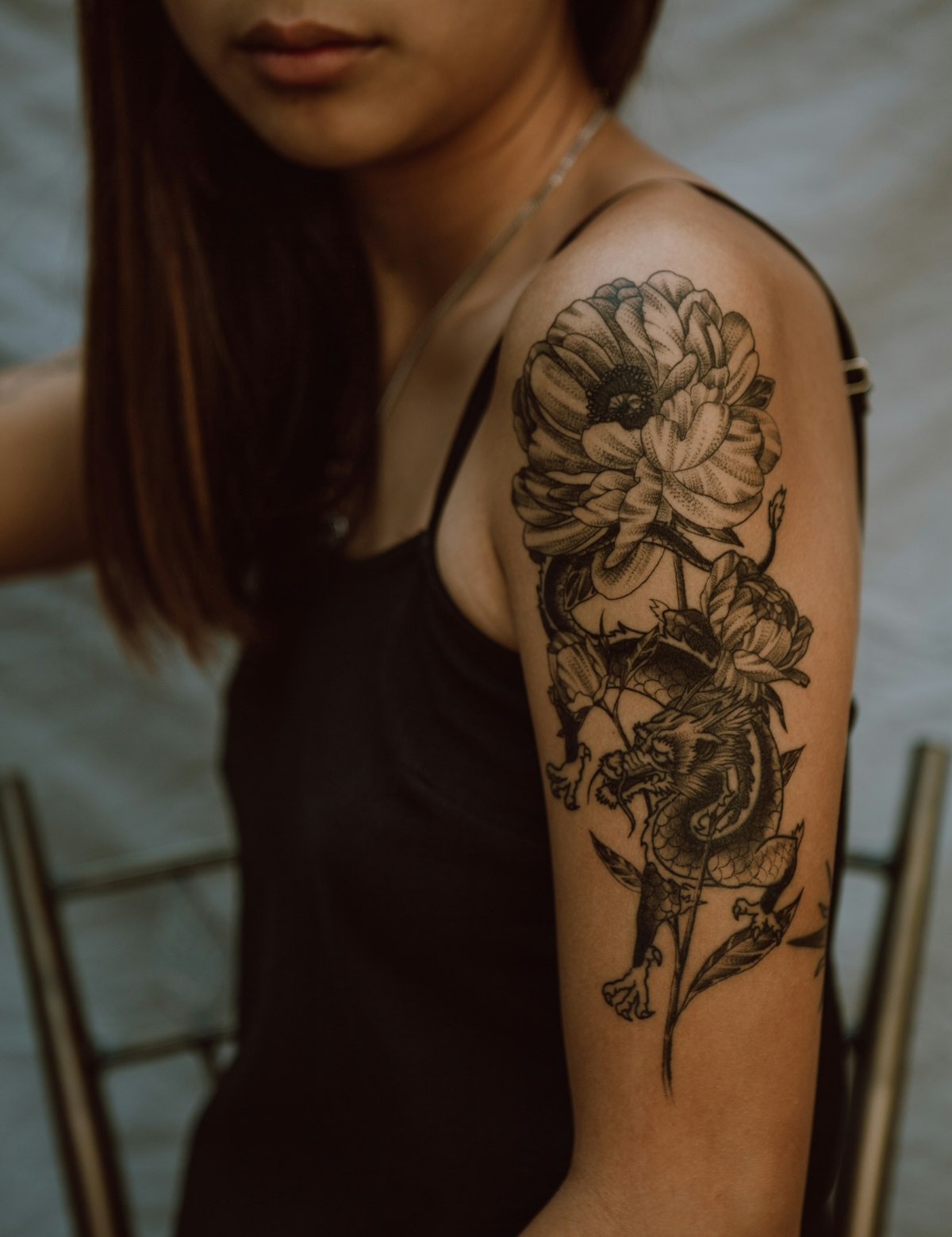
Some studios offer flat rates for simple, small designs like basic text, small symbols, or flash tattoos. These predetermined prices help streamline the booking process for quick pieces that typically take under an hour to complete.
Current UK Tattoo Prices by Category
Small Tattoos (Under 3 inches)
| Tattoo Type | Price Range | Duration |
|---|---|---|
| Simple text/symbols | £60-£120 | 30-60 minutes |
| Small geometric designs | £80-£150 | 45-90 minutes |
| Minimalist line work | £70-£130 | 30-75 minutes |
| Small flowers/animals | £90-£180 | 60-120 minutes |
Medium Tattoos (3-6 inches)
| Tattoo Type | Price Range | Duration |
|---|---|---|
| Detailed portraits | £200-£500 | 3-6 hours |
| Coloured designs | £180-£400 | 2-5 hours |
| Black and grey work | £150-£350 | 2-4 hours |
| Script with decoration | £120-£280 | 1.5-3 hours |
Large Tattoos (6+ inches)
| Tattoo Type | Price Range | Duration |
|---|---|---|
| Full sleeve | £800-£2000+ | Multiple sessions |
| Back pieces | £1000-£3000+ | Multiple sessions |
| Chest panels | £600-£1500 | 6-15 hours |
| Leg pieces | £700-£1800 | 8-20 hours |
Factors Affecting Tattoo Prices
Artist Experience and Reputation
Established tattoo artists with years of experience and strong portfolios command higher rates than newcomers to the industry. Renowned artists who've built significant reputations may charge £150-£200+ per hour, whilst newer artists might charge £60-£100 per hour as they build their clientele.
Award-winning artists or those with celebrity clients often have premium pricing that reflects their status within the tattoo community. However, higher prices typically correlate with exceptional skill, consistency, and artistic vision.
Studio Location
Geographic location significantly impacts tattoo prices across the UK. London studios generally charge the highest rates due to increased overheads, with hourly rates often £20-£40 higher than other regions. Major cities like Manchester, Birmingham, and Edinburgh typically fall in the mid-range, whilst smaller towns and rural areas often offer more affordable options.
Central London studios might charge £120-£200 per hour, whilst similar quality work in northern England could cost £80-£140 per hour. However, it's essential to prioritise quality over cost savings when choosing your tattoo artist.
Design Complexity and Style
Intricate designs requiring fine detail work, precise linework, or complex shading take significantly longer to complete, increasing the overall cost. Photorealistic portraits, mandala designs, and geometric patterns typically require more time and skill than simple text or basic symbols.
Colour tattoos generally cost more than black and grey work due to the additional time required for proper colour application and blending. Multiple colours, gradients, and colour corrections all extend the tattooing process.

Size and Placement
Larger tattoos naturally cost more due to increased working time, whilst placement can affect difficulty and therefore pricing. Areas like ribs, feet, hands, and the spine are more challenging to tattoo, potentially adding to the hourly rate or extending the session duration.
Some body areas are more sensitive or technically difficult, requiring the artist to work more slowly and carefully. These factors may result in longer sessions or higher rates to compensate for the additional skill required.
Regional Price Variations Across the UK
London and South East England
The capital commands premium prices for tattoo work, with established artists charging £120-£200+ per hour. High rent costs, increased demand, and the concentration of award-winning artists contribute to higher pricing in London.
Surrounding areas like Brighton, Reading, and Canterbury typically charge slightly less whilst maintaining high quality standards, making them attractive alternatives for those seeking London-quality work at reduced prices.
Northern England
Cities like Manchester, Leeds, and Liverpool offer excellent value for money, with experienced artists charging £80-£140 per hour. The lower cost of living allows artists to offer competitive rates whilst maintaining profitable businesses.
Newcastle, Sheffield, and Preston provide particularly good value, often delivering exceptional quality work at prices 20-30% lower than London equivalents.
Scotland
Edinburgh and Glasgow studios generally charge £90-£150 per hour, with smaller Scottish cities offering rates from £70-£120 per hour. Scotland's vibrant tattoo scene includes many talented artists who provide excellent value for money.
The annual Edinburgh Tattoo Convention showcases the region's artistic talent, demonstrating that lower prices don't necessarily mean compromised quality.
Wales and Northern Ireland
Welsh cities like Cardiff and Swansea typically charge £80-£130 per hour, whilst Belfast and other Northern Irish locations range from £70-£125 per hour. Both regions boast growing tattoo communities with increasing numbers of skilled artists.
Additional Costs to Consider
Consultation Fees
Many artists charge consultation fees ranging from £20-£50, particularly for custom design work. This fee often goes towards the final tattoo cost if you proceed with the booking, but it's worth confirming this policy beforehand.
Custom design work may incur additional drawing fees, especially for complex pieces requiring multiple revisions or extensive artistic development.
Touch-up Sessions
Most reputable artists include one free touch-up session within 4-6 weeks of completion, but additional touch-ups may incur charges. Proper aftercare significantly reduces the need for touch-ups, making it essential to follow your artist's healing instructions.
Aftercare Products
Professional aftercare products typically cost £10-£25 and are often available from your tattoo studio. Quality aftercare products help ensure optimal healing and protect your investment in the tattoo.
UK Tattoo Regulations and Legal Requirements
Age Restrictions
UK law prohibits tattooing anyone under 18 years old, regardless of parental consent. Reputable studios always verify age using valid photo identification before proceeding with any tattoo work.
Licensing and Hygiene Standards
All UK tattoo studios must hold proper local authority licences and maintain strict hygiene standards. Licensed premises undergo regular inspections to ensure compliance with health and safety regulations.
Single-use needles, sterile equipment, and proper waste disposal are mandatory requirements that may influence pricing, as studios must invest in quality equipment and safety measures.
Insurance and Professional Standards
Professional tattoo artists carry public liability insurance and often belong to industry organisations that maintain professional standards. These costs contribute to overall business expenses reflected in pricing.
Questions to Ask Before Booking Your Tattoo Artist
Before committing to any tattoo artist, consider these essential questions to ensure you're making an informed decision:
- Can I see your portfolio of recent work in the style I want?
- What is your hourly rate and estimated completion time?
- Are consultation and design fees included in the final price?
- What aftercare products do you recommend and provide?
- Do you include free touch-ups, and if so, for how long?
- Can you provide references from recent clients?
- What are your studio's hygiene and safety protocols?
- How far in advance do I need to book appointments?
- What payment methods do you accept, and what's your deposit policy?
- Are you licensed by the local authority?
- What happens if I need to reschedule my appointment?
- Can you accommodate any specific medical needs or concerns I have?
Frequently Asked Questions
How much should I tip my tattoo artist?
Tipping isn't mandatory in the UK, but it's appreciated for excellent service. If you're happy with your tattoo, 10-15% is considered generous. Some clients prefer to tip in cash at the end of the session, whilst others add it to the card payment.
Can I negotiate tattoo prices?
Most professional artists have set rates that reflect their skill and business costs. However, some may offer package deals for multiple sessions or large pieces. It's more appropriate to discuss payment plans rather than asking for discounts.
Why do some artists charge minimum fees?
Many artists charge minimum fees (typically £60-£100) because setting up equipment, preparing the workspace, and maintaining hygiene standards involve the same costs regardless of tattoo size. This ensures the artist's time and overhead costs are fairly compensated.
Are expensive tattoos always better quality?
Higher prices often reflect experience and skill, but not always. Research the artist's portfolio, read reviews, and ensure their style matches your vision. A newer artist with talent might offer better value than an expensive artist whose style doesn't suit your needs.
What payment methods do most tattoo studios accept?
Most UK tattoo studios accept cash, card payments, and bank transfers. Some may require deposits to secure bookings, typically 20-50% of the estimated total cost. Always confirm payment policies when booking your appointment.
How much should I budget for a first tattoo?
For a first tattoo, budget at least £100-£200 for something small and meaningful. This allows for quality work from an experienced artist plus aftercare products. Remember that cheap tattoos aren't good, and good tattoos aren't cheap.
Understanding tattoo prices helps you make informed decisions and budget appropriately for quality work that you'll be proud to wear for life. Remember that investing in a skilled, experienced artist is always worthwhile when it comes to permanent body art.
Find a Tattoo Artist Near You →
Search our free UK directory to find talented, professional tattoo artists and studios across the UK. Browse portfolios, compare styles and find the right artist for your next piece.
Comments(0)